Background:
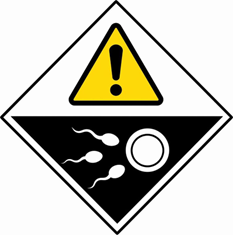
The Directive (UE) 2022/431 expanded the application field of the CM Directive, including into its scope also reprotoxic substances which can cause adverse effects on sexual function and fertility in adult males and females, as well as on the development of their offspring. The deadline for its transposition into Member States’ legislation was 2024, so all the European PEROSH members should have a national legislation on CMR substances at this stage.
The application of some aspects of the Directive is unclear, and this could lead to different risk management procedures.
Objectives:
Identify the remaining gaps in the protection of workers following the adoption of Directive (EU) 2022/431, regarding: thresholds for exposure to reprotoxic substances, medical surveillance protocols, registration of adverse health effects, hazardous medicinal products management).
Mapping and comparing the different national transposition and other initiatives (like guidelines or recommendations) that may have been put in place in the PEROSH member countries.
Target Groups:
This project targets policy makers, entrepreneurs and OSH professionals.
Deliverables:
Deliverables will comprise presentations, scientific articles and reports.
Research Methods:
The preparation of an international survey on the implementation of European Directive 2022/431, based on a questionnaire that will first be distributed to Perosh members, and subsequently to other European Countries outside of Perosh.
The questionnaire will cover data on the implementation of the Directive by Member States and on the initiatives implemented to make the law effective.
Steps of the research will be:
- The administration of the questionnaire
- The collection of the questionnaire completed in all its parts
- Data analysis
- Final report
The used tool will set up information support for digital collection/processing of information.
Scientific Relevance:
The classification of hazardous substances as toxic for reproduction, according to the CLP criteria, involves hundreds of chemical substances, many of which were present in production cycles for many years and showed effects on the health of workers involved in exposure. The number of workers potentially involved in this exposure, and therefore in the specific risk, remains very high.
Gathering information on how Europe is working to manage the risk of reprotoxic substances and dangerous drugs can allow for the definition of shared guidelines/position papers and targeted investigations into specific environments.
Identifying shared risk management procedures can support policy choices, help employers define safe handling of these substances in the workplace and support OSH professionals in their risk assessment activities.
Practical and Societal Relevance:
Problems in the reproductive health of workers, due to professional exposure to chemical substances, represents a relevant aspect of well-being in general, both physical but also psychological, considering the sensitivity of the topic of the desire for parenthood and to be able to raise a “healthy” child.
In consideration of this, the directive was issued to intervene appropriately in a preventative and protective manner and thus overcome the specific adverse health effects.
However, an application of legislation that is partial, unclear, not focused on the objective can lead to the protective purpose being ineffective.
Project Leader:
Lidia Caporossi (INAIL, Italy)
Project Participants:
The project includes participants from various PEROSH partner institutions:
- Monica Gherardi & Fabio Boccuni, INAIL- Italy
- Giovanna Tranfo, AIDII- Italy
- Susann Wolf, STAMI, Norway
- Norbert Neuwirth & Annick Huber, AUVA Austria
- Lidia Lopez Alvarez & Maria Teresa Sanchez Cabo, INSST Spain
- Sophie Ndaw, INRS France
- Nancy Hopf, UNISANTE Switzerland
More information:
For additional information, contact the project coordinator Lidia Caporossi