Background
Plastic represents one of the most versatile human inventions as it can be manufactured with a wide range of properties and enormous countless applications. However, its production, use and waste disposal pose environmental and health issues for humans. There is an increasing concern regarding potential adverse health effects associated with exposure to plastics. The main concern is related to generation and exposure to micro-nanoplastics with associated additives, absorbed chemical and biological contaminants (MNPs & A/C). With scientific evidence available today, we are confident about human systemic exposure to MNPs, but it is not clear whether MNP exposure induces specific health outcomes other than that already coined to particle exposure.
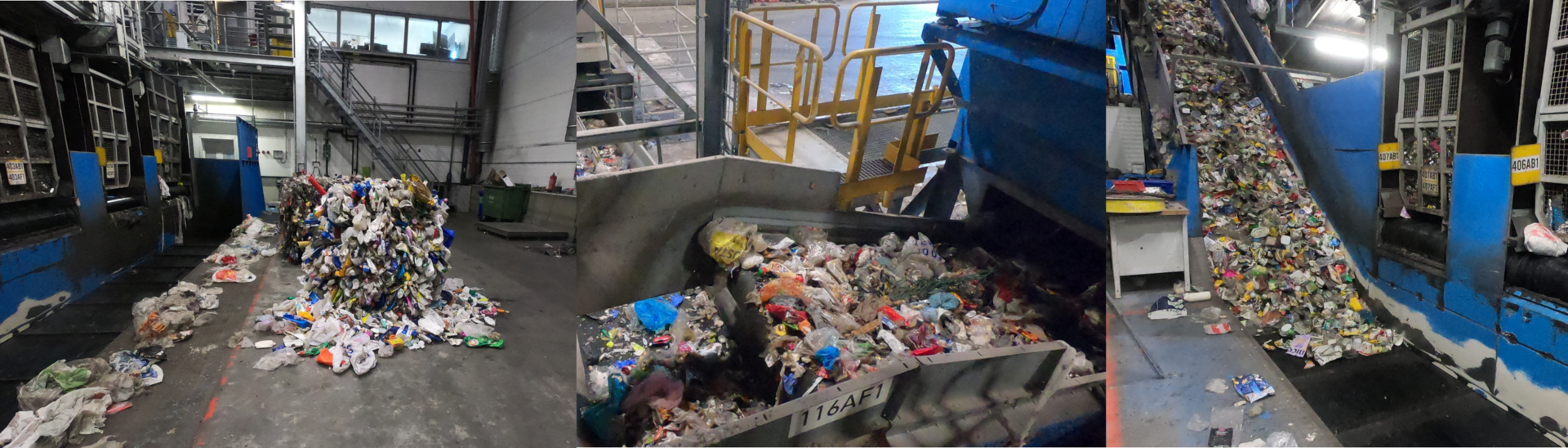
As plastics are widely produced, processed and recirculated by workers in various sectors including plastics and tire manufacturing, recycling/renewal, building/ construction, tire repair garages and textile industries, it is more likely that workplace exposures to MNPs including tire wear and rubber particles may be much higher than that measured in general population. Classically, exposure in occupational settings represents the worst-case scenario for general population and this may be also the case for MNPs exposure, hazards and risks. As such, evaluating the workplace exposure to MNPs & A/C will likely provide better references for the highest possible human exposure levels and worst possible adverse health consequences.
Moreover, it is critical to include synthetic rubber and tire wear particles in the MNPs concept since most of them are synthetic polymers derived from the oil, like MNPs, generated through mechanical degradation, exhibit similar environmental behavior, share key exposure and toxicity mechanisms and may represent high fraction of reported airborne particulate matters.
So, with this network, we aim to establish a platform within PEROSH, to further evaluate the scientific evidence on exposure, hazards and risk of MNPs at workplaces. Specifically, we will summarize the scientific advances in the field with focus on exposure and hazards in occupational settings and further identify research gaps to better characterize occupational health risks associated with MNPs and additives/contaminants and how to mitigate them.
Objectives
Our main objective is to gather scientific evidence on occupational exposure to MNPs, including synthetic rubber and tire related particles, and additives/ contaminants as well as associated hazards and health risk at workplaces.
Specifically, we aim:
· To create a platform within PEROSH members for discussion and collaboration on MNPs & A/C research.
· To synthesize scientific evidence on exposure to MNPs & A/C and adverse health outcomes at workplaces
· To contribute to the regulatory activities on MNPs & A/C for better protection of workers and the general population.
Target Groups
- Occupational Safety and Health (OSH) professionals: scientists working specifically on particulate matter exposure and hazard assessments will benefit from the latest research updates and advances or uncover research gaps that require further research focus.
- Policy makers and regulators: by providing the latest research updates on dose- responses features in workers and occupational sectors, this project will directly support authorities with evidence-based decisions on plastic use, and eventual MNPs specific exposure limits suggestions in occupational settings.
- Plastic industry: data on MNPs & A/C hazards and risk can motivate further engineering of novel SSbD based alternatives for plastic materials.
- Workplaces and workers: dissemination of knowledge gathered in this project will trigger development and implementation of safer practices.
- General population: eventual adverse health effect data gathered on workplace exposure to MNPs & A/C and associated hazards and health risks can be used for risk extrapolation for the general population.
- PEROSH Members: Organizations within PEROSH are invited to actively participate, ensuring broader and global relevance and high standards.
Deliverables
- Perspective paper on occupational exposure to MNPs & A/C and associated hazards, risk and existing knowledge gaps.
- Comprehensive policy brief on the latest research and findings on MNPs & A/C exposure and associated health effects.
- Networking opportunities between scientists, policy makers, and industry leaders, facilitating initiation for international research projects collaboration.
Research methods
- Scoping review of the literature
- Policy briefs and reports
- Research group-based activities
- Research projects
- Workshops
Scientific relevance
The PEROSH-PLASTIC network will play a crucial role in the development of regulatory decisions on workplace exposure to MNPs & A/C. By gathering the latest research in exposure and hazard assessment, this network will help the policy makers, workers organization, industries and scientific communities to better understand the human health risks associated with MNPs & A/C exposure.
Practical and societal relevance
As environmental concerns are growing, outcomes from PEROSH-PLASTICS network activities will provide vital insights for improving MNPs monitoring practices at workplaces and in other settings. The network will equip regulators, OSH professionals, and industry leaders with the knowledge they need to protect public health through more effective monitoring strategies. The findings will have long-term impacts on regulatory frameworks, workplace safety protocols, and environmental health policies across Europe and beyond.
Project Leader
Anani K Afanou, STAMI